


Home
Research Projects and Publications
The Chair aims to achieve a truly global awareness of Intangible Cultural Heritage, thereby stimulating the sharing of good practices to advance the goals of sustainable development.
To this end, the Chair develops projects to support and disseminate Intangible Cultural Heritage, including on-field studies of intangible cultural heritage, in which the close correlation between territory, identity, and the natural environment is particularly evident.
Furthermore, the Chair carries out support activities for institutions and stakeholders, promoting training and enhancement projects mainly aimed at:
- Supporting UNESCO and other international organisations;
- Supporting national, regional and local public institutions;
- Supporting communities.

Mediterranean Diet
Chair Holder Professor Pier Luigi Petrillo was the author of the nomination dossier for the inscription of the Mediterranean Diet as an element of Intangible Cultural Heritage on the UNESCO List, a recognition that was officially granted in 2010. The Chair is actively involved in projects aimed at expanding the network of emblematic communities of the Mediterranean Diet.
Members of the UNESCO Chair also provide support to the emblematic community of Pollica. Among other activities, they contributed to the drafting of a safeguarding plan for the Mediterranean Diet, within the project of the Municipality of Pollica, “The value of the Mediterranean Diet – actions and measures for the protection and enhancement of the UNESCO Intangible Cultural Heritage”, adopted by Municipal Council Resolution No. 163 of 02/09/2022.
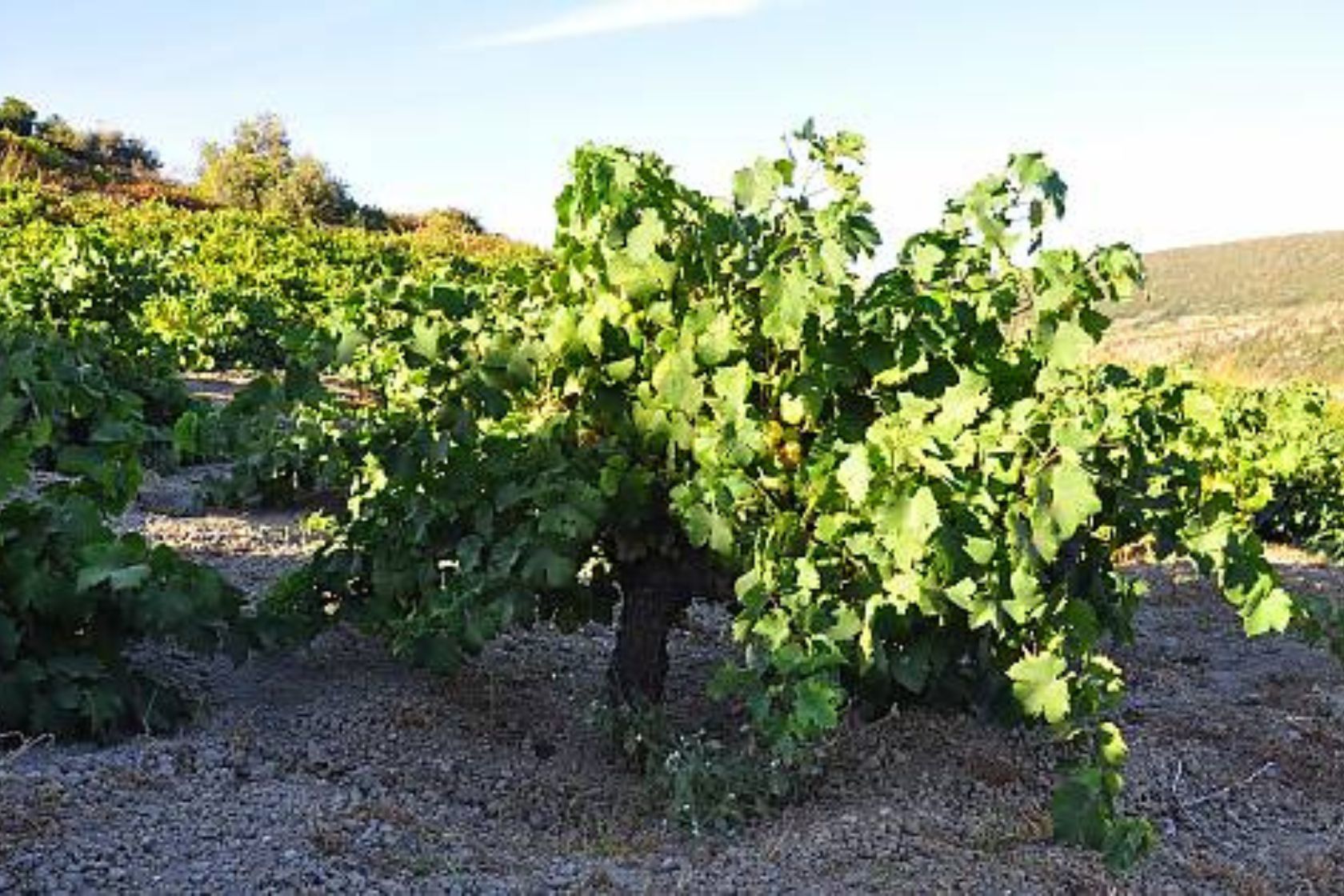
Traditional agricultural practice of cultivating the ‘vite ad alberello’ (head-trained bush vines) of the community of Pantelleria
The inclusion of this traditional agricultural practice on the UNESCO List took place in 2014: this was the first case of a traditional agricultural practice being awarded such recognition.
The UNESCO Chair has also drawn up a project for the protection of the “Traditional agricultural practice of cultivating the ‘vite ad alberello’ of the Community of Pantelleria”, as part of the call for the granting of a contribution for the international valorisation of agro-forestry-pastoral intangible heritage (pursuant to Ministerial Decree No. 261602 of 10 June 2022 of the Ministry of Agricultural, Food and Forestry Policies).
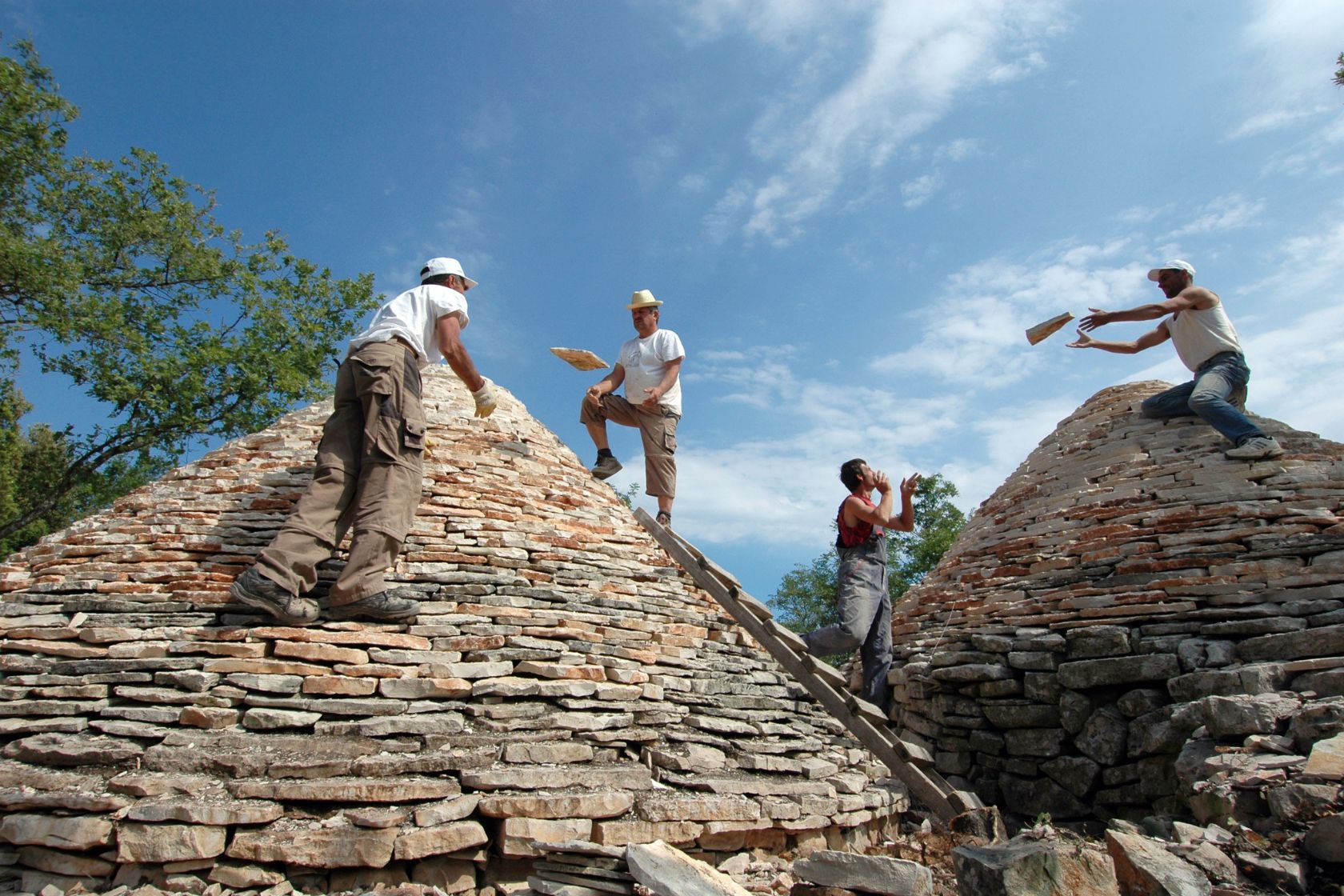
Art of dry stone construction, knowledge and techniques
The nomination dossier concerns the know-how required to build stone structures by stacking stones on top of each other without the use of any binding material (except, in some cases, soil).
This joint nomination by eight countries (Italy, Croatia, Cyprus, France, Greece, Slovenia, Spain and Switzerland) was inscribed as Intangible Cultural Heritage of Humanity in 2018. The Chair is also active in projects aimed at expanding the network of emblematic communities linked to this element.
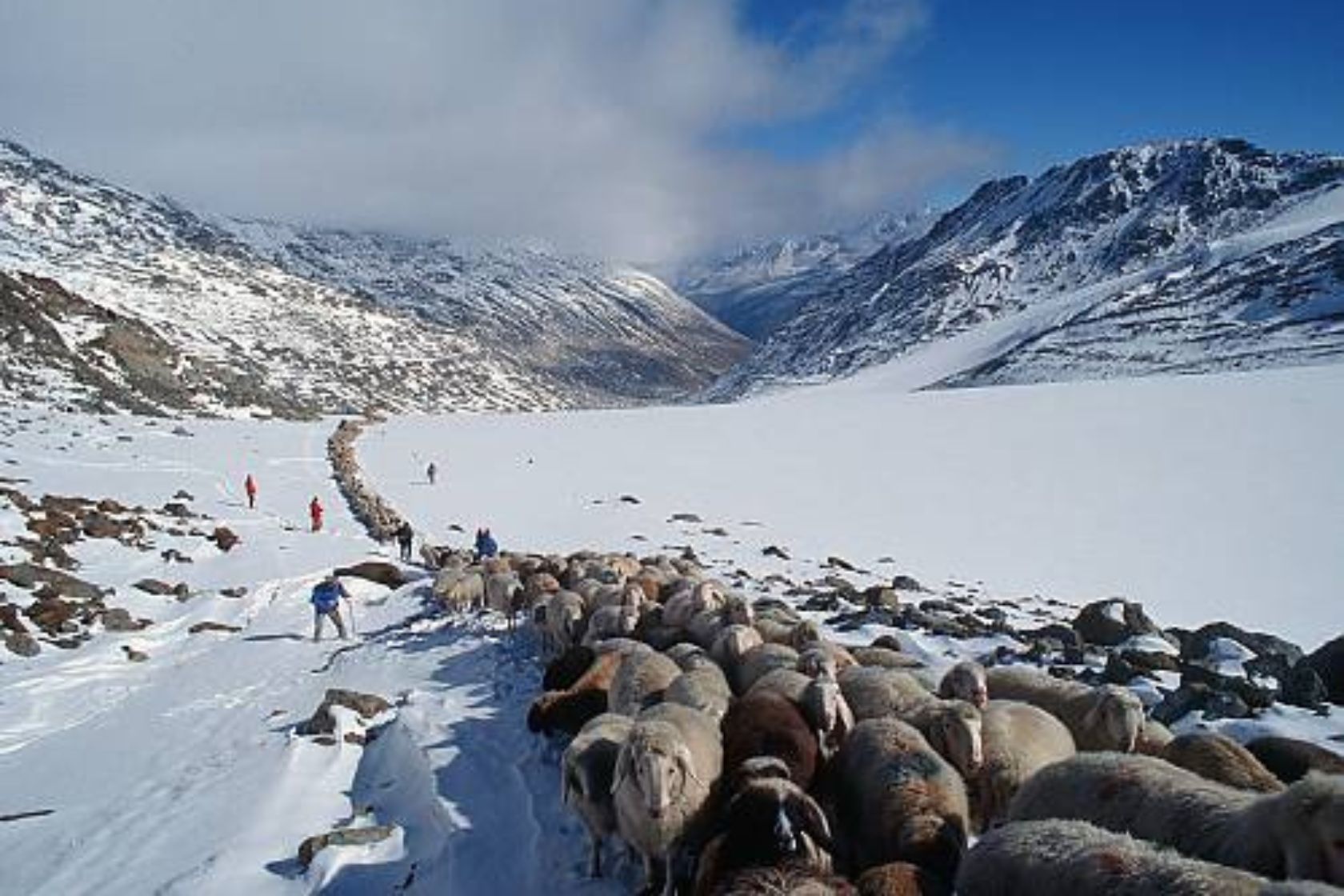
Transhumance, the seasonal droving of livestock
Transhumance is an ancient pastoral practice consisting of the seasonal migration of livestock in the Mediterranean and Alpine regions. This traditional practice received UNESCO recognition in 2019, following a joint nomination by Italy, Greece and Austria, later expanded in 2023 to include Albania, Andorra, Croatia, France, Luxembourg, Romania and Spain.
Since the development of the nomination project, the UNESCO Chair on Intangible Cultural Heritage and Comparative Law has taken part in seminars and conducted research on this topic together with the MOLIGAL Association, which brings together transhumant shepherds and supports communities in the inventorying process of the related cultural heritage.
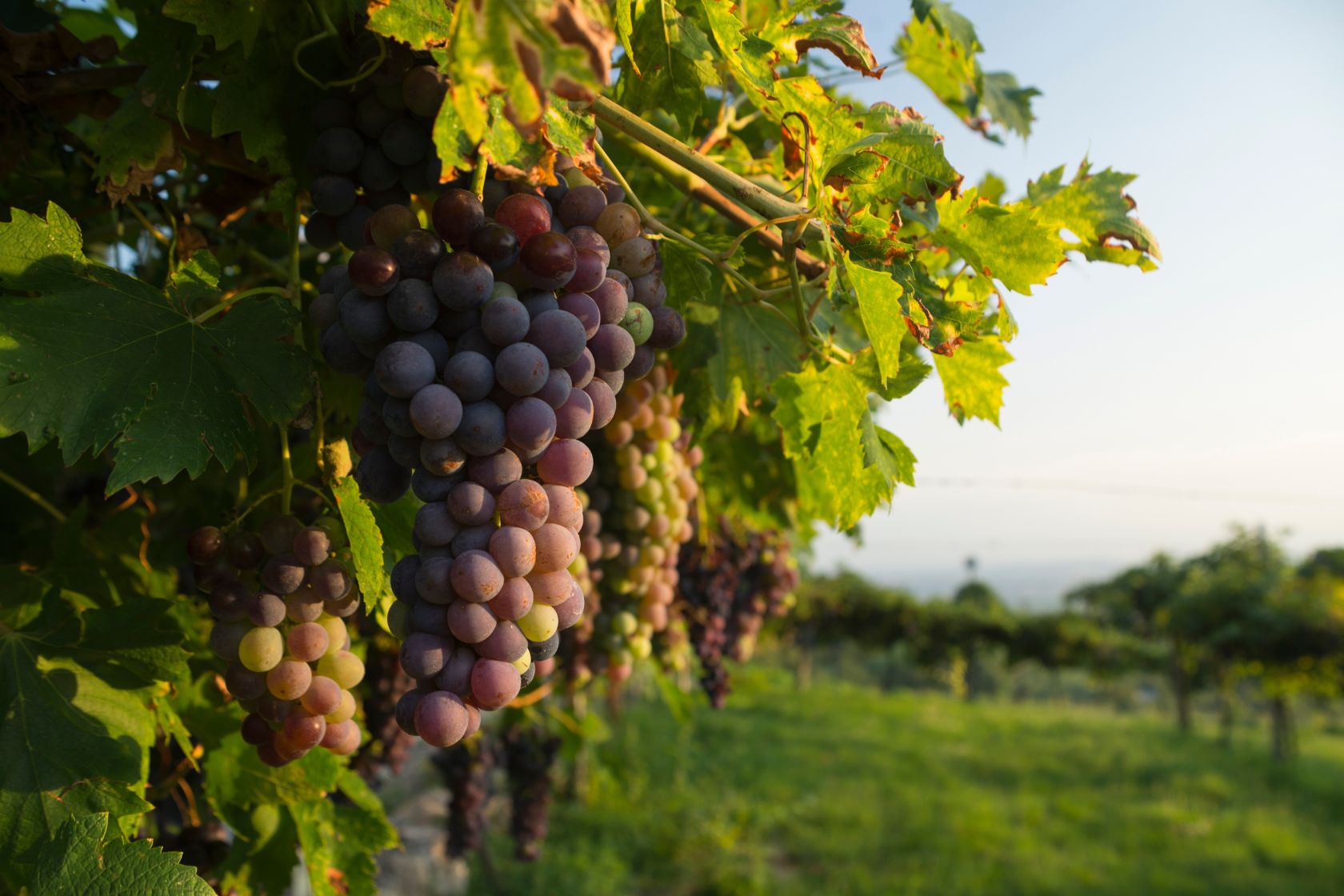
Il rito della messa a riposo delle uve della Valpolicella
The UNESCO Chair team supported the Promoting Committee for the nomination, overseeing the nomination project for this element throughout the entire process.
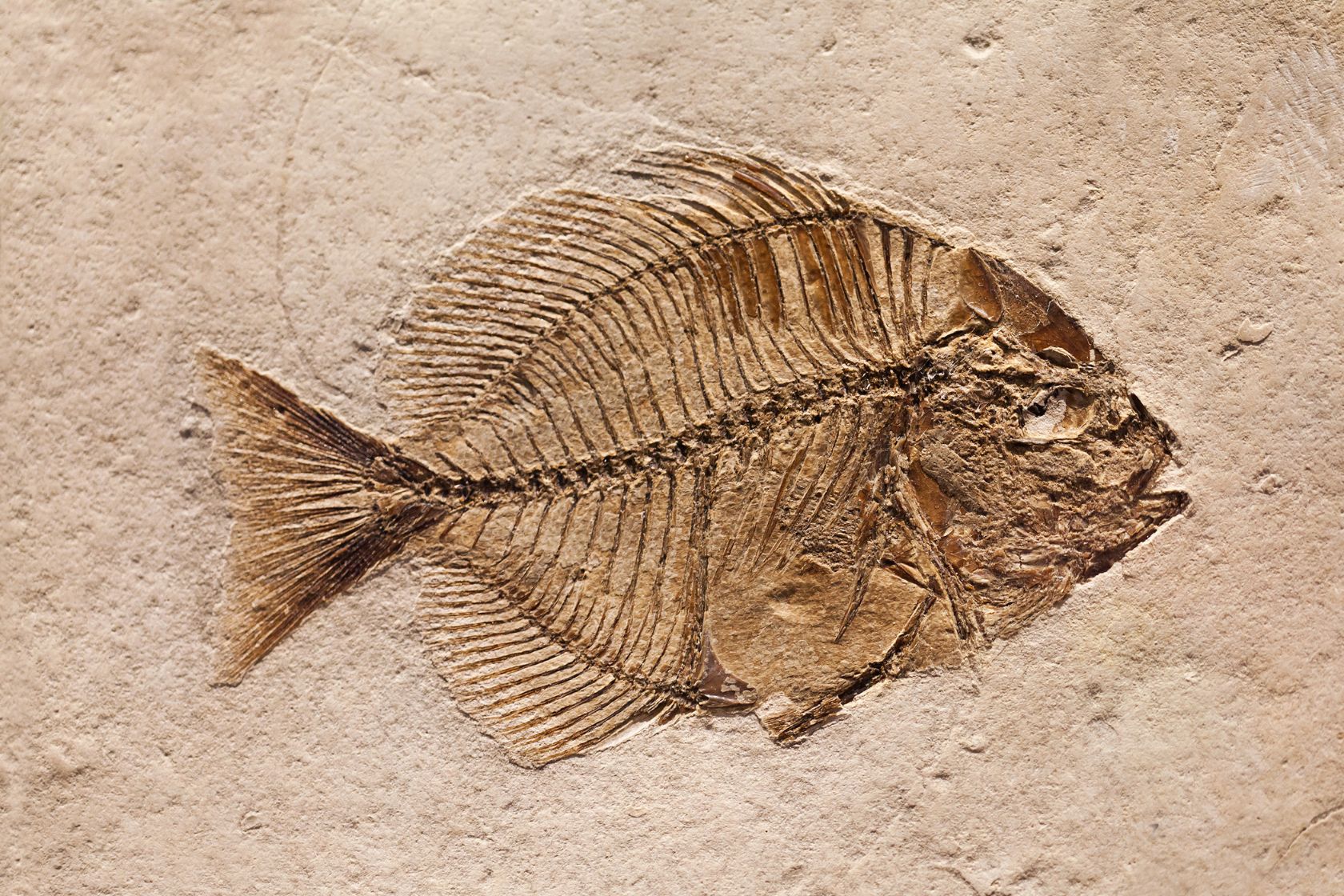
Eocene Marine Biodiversity of the Alpone Valley
The UNESCO Chair on Intangible Cultural Heritage and Comparative Law supports the nomination project in the List of UNESCO World Heritage Sites of the serial site “Eocene Marine Biodiversity of the Alpone Valley”.
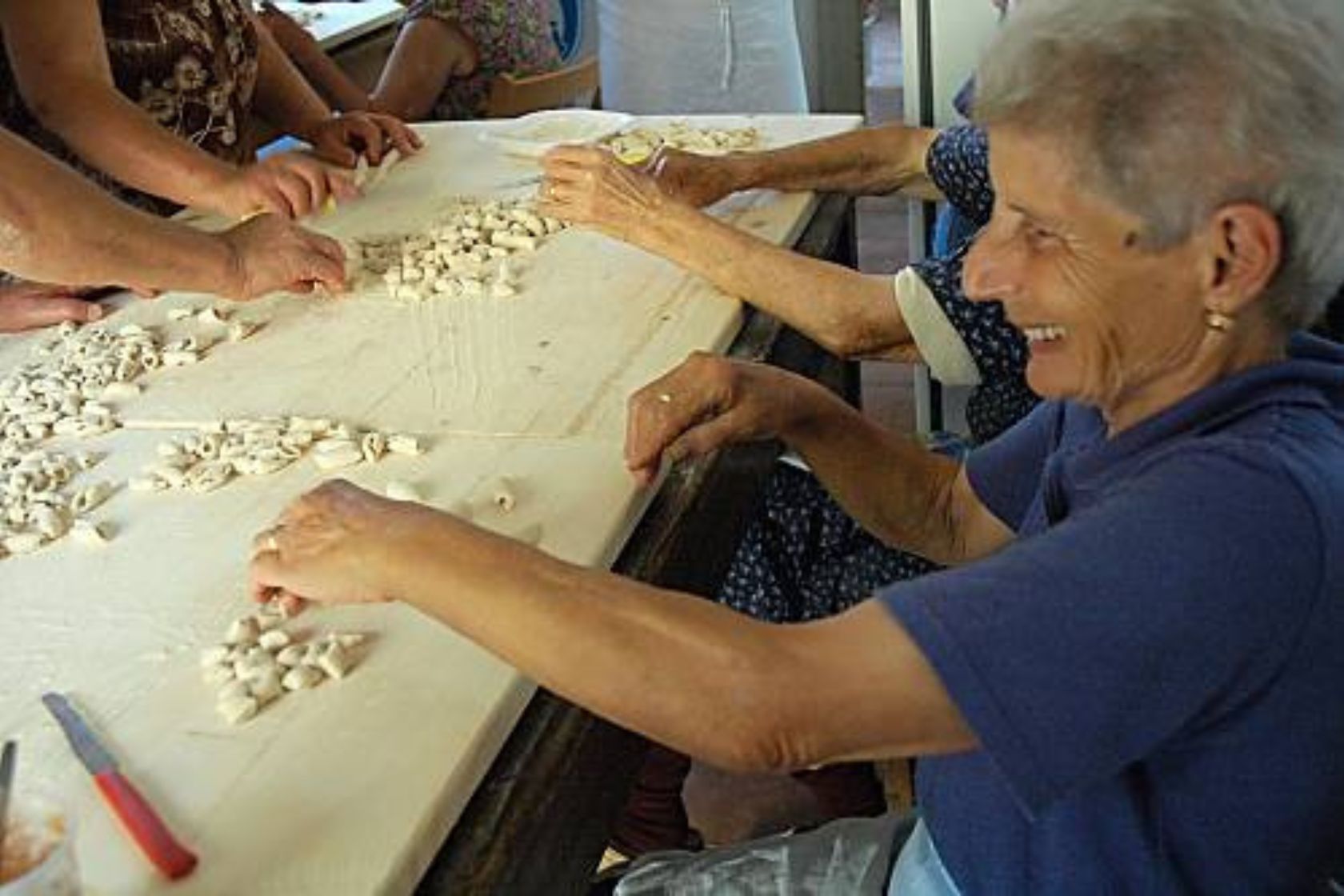
Italian cooking, between sustainability and biocultural diversity
Nominated by the Italian government as UNESCO Intangible Cultural Heritage of Humanity in March 2023, UNESCO gave the first approval to Italian cuisine on 10th November 2025 , based on the technical evaluation of the dossier. The nomination was promoted by the Minister of Agriculture and Food Sovereignty Francesco Lollobrigida and the Minister of Culture Gennaro Sangiuliano. It highlights the cultural dimension of Italian cooking and its strong identity value.
“Italian cooking seems in many ways to be defined in negative terms, by what it is not: it is not monolithic, not uniform, not regulated, not built around codified rules but on principles of freedom, inclusion and sharing of diversity. Precisely for this reason, Italian cuisine is everyone’s heritage”.

UNESCO Chair Publications
Here you will find the publications of the Chair, including the chairholder, members of the scientific committee and the research group.
UnitelmaSapienza. A centenary history at the service of your future.


