
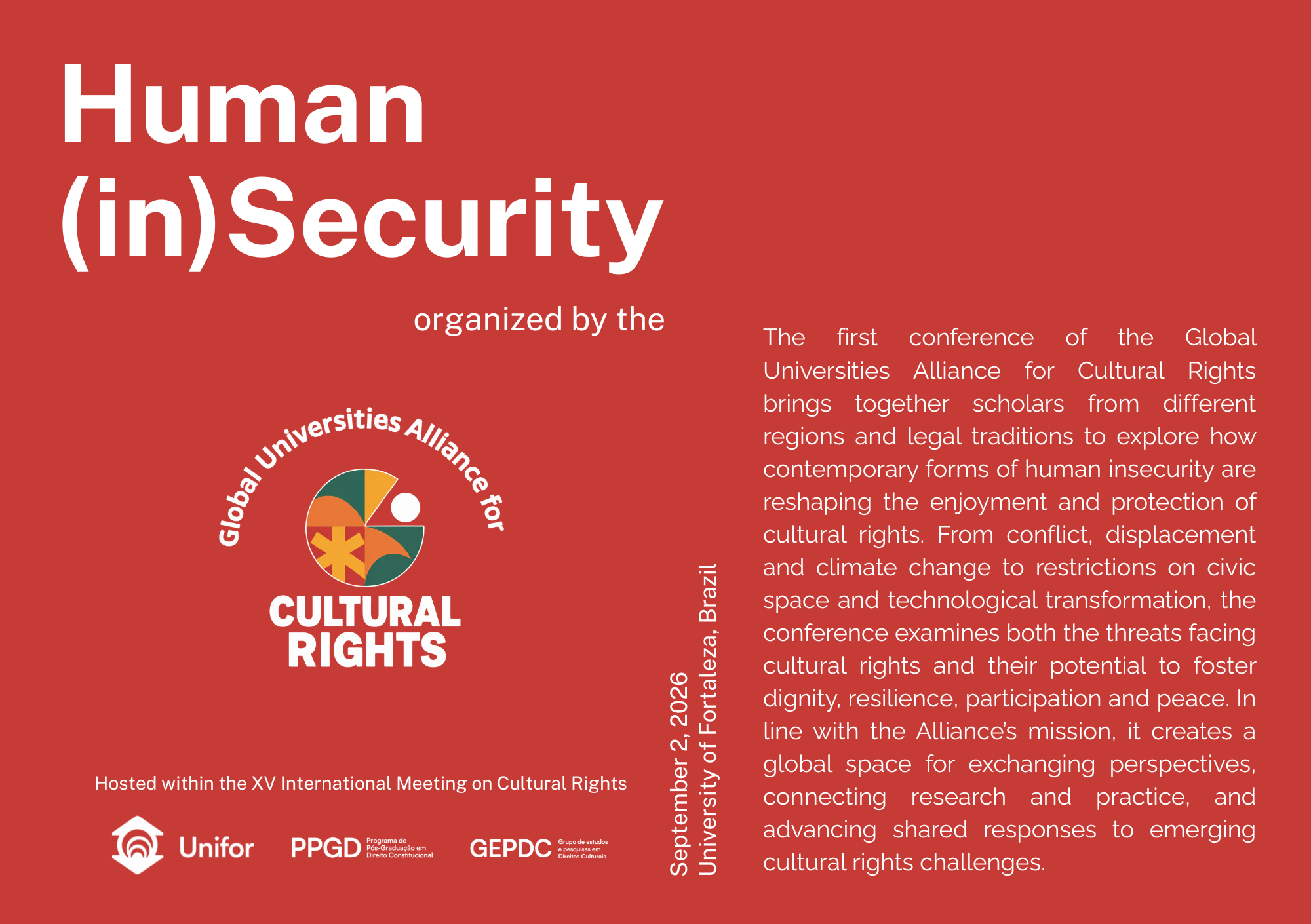
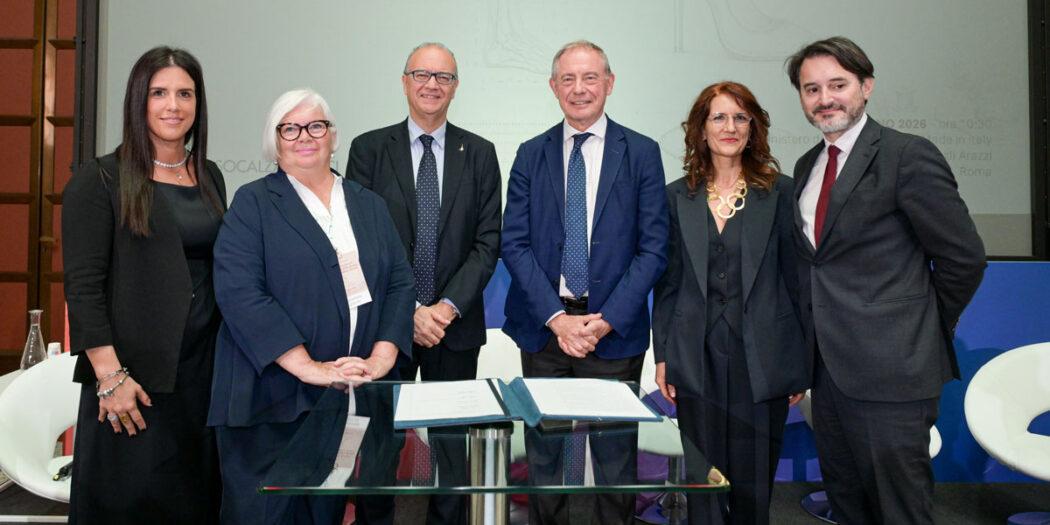
Global Universities Alliance for Cultural Rights. A cooperation network among universities

During the International Conference “The Role of Parliaments in the Development of Cultural Rights”, organized by Professor Pier Luigi Petrillo of UnitelmaSapienza University of Rome and Professor Francisco Humberto Cunha Filho of the University of Fortaleza, the Global Universities Alliance for Cultural Rights was formally launched.

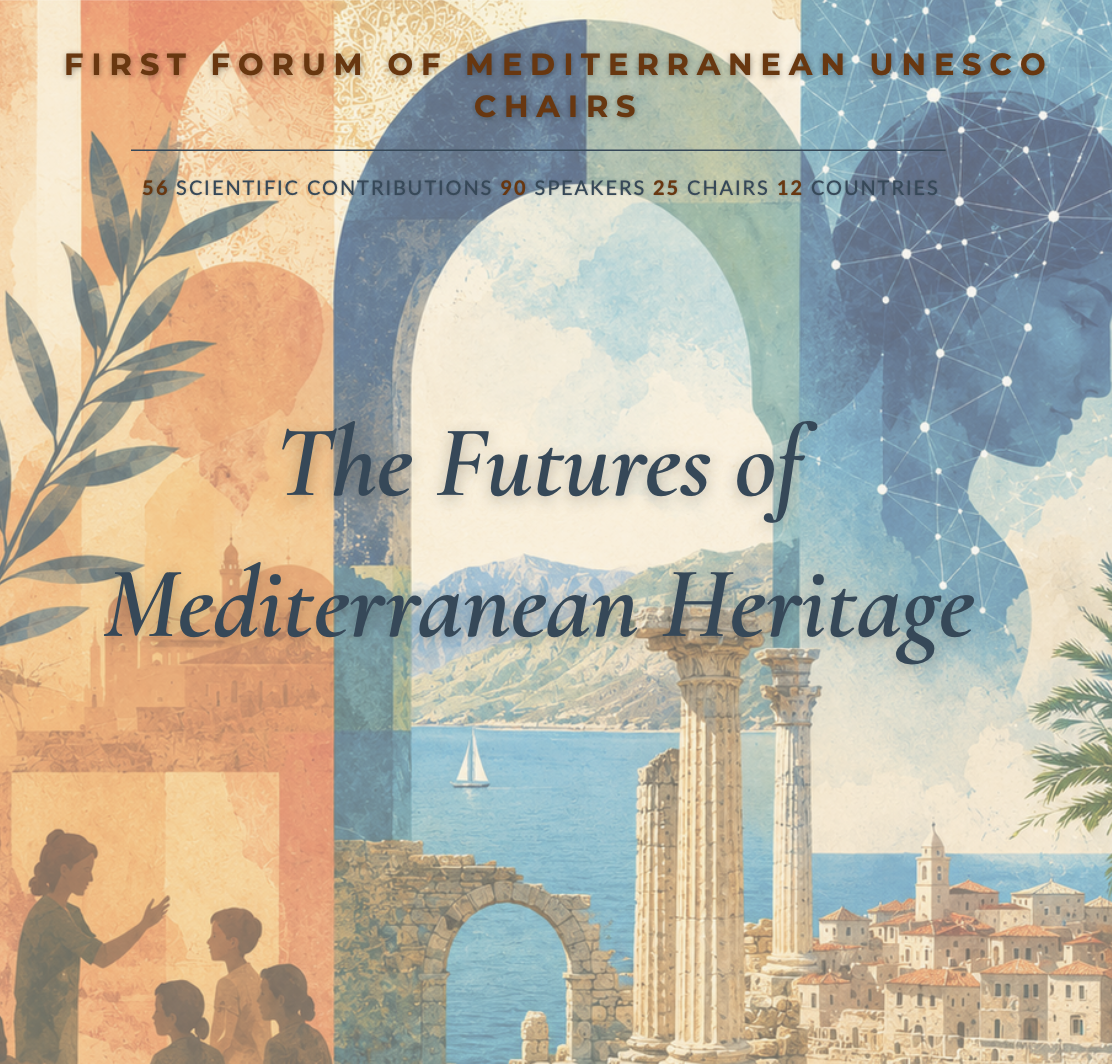
Annual Forum UNESCO Chairs and UNITWIN Networks on Intangible Cultural Heritage

At the 20th Intergovernmental Committee for the Safeguarding of Intangible Cultural Heritage, the UNESCO Chairs on ICH will convene a hybrid annual forum of discussion open to external experts and participants. The event inaugurates a recurring platform for scholarly dialogue, critical reflection, and the development of research partnerships across the network of UNESCO Chairs.

Italian Cooking UNESCO intangible cultural heritage of hummanity

Nominated by the Italian government as UNESCO Intangible Cultural Heritage of Humanity in March 2023, UNESCO gave the first approval to Italian cuisine on 10th November 2025 , based on the technical evaluation of the dossier.

Since 2019

years of commitment to safeguarding intangible cultural heritage

among events, projects, and conferences organised

regions of the world we work with
What is ICH?


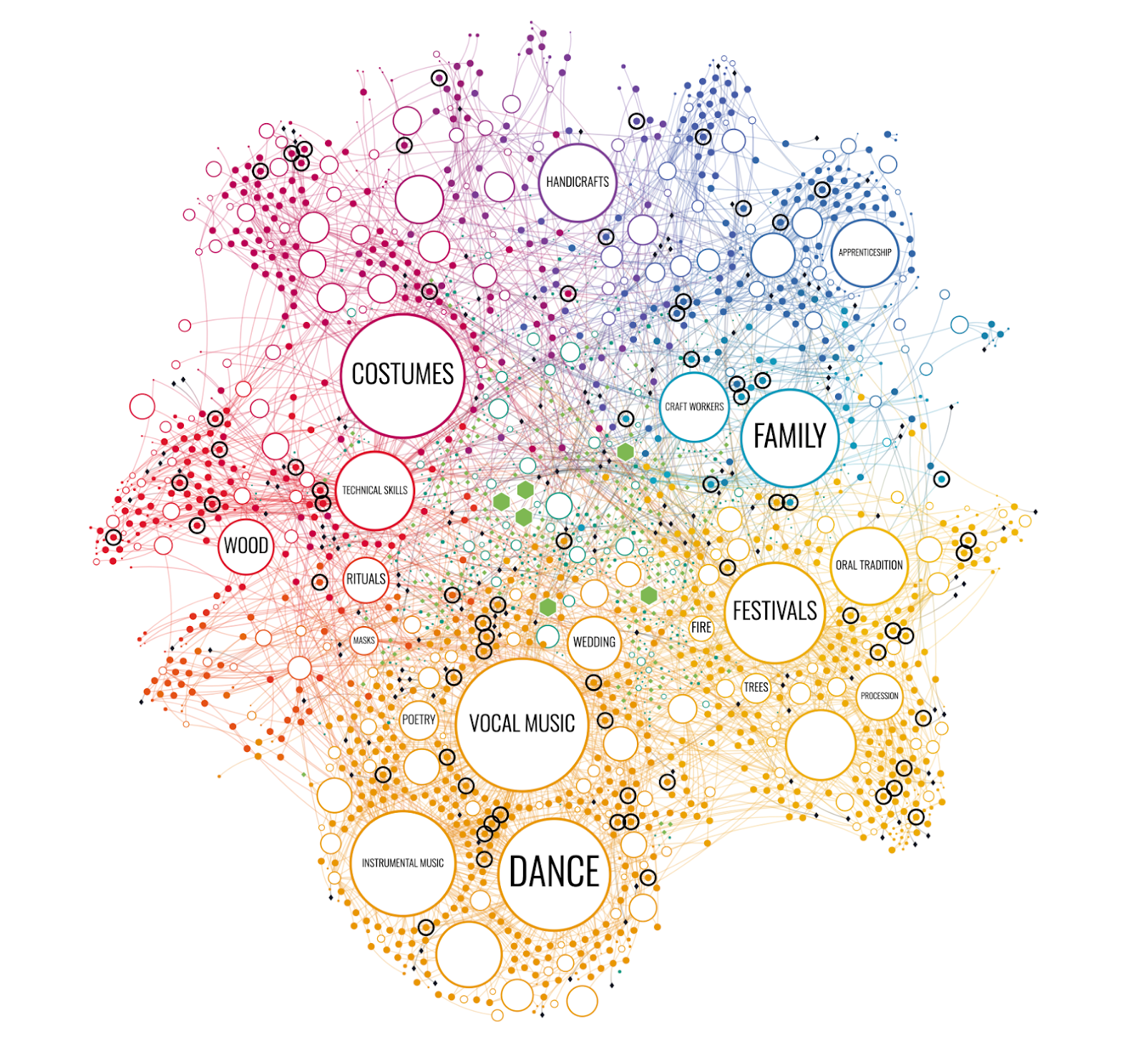
Intangible Cultural Heritage (ICH) refers to the practices, representations, expressions, knowledge, and skills that communities, groups, and, in some cases, individuals recognise as part of their cultural heritage (2003 Convention for the Safeguarding of the Intangible Cultural Heritage, Article 2.1). It is a living heritage, transmitted from generation to generation and constantly recreated in response to communities’ environment, interaction with nature, and history, providing a sense of identity and continuity (Article 2.1).

What is a UNESCO Chair and what does it do?


This is the only UNESCO Chair in Italy dedicated to intangible cultural heritage, and it is also the only UNESCO Chair hosted by an online university. Adopting a multidisciplinary approach, the Chair studies intangible cultural heritage (ICH) through comparative analyses. Its work examines key legal instruments and significant examples of legal protection for ICH that may be adapted and replicated in other national contexts. The overarching goal is to foster “local”, “regional”, and “global” awareness of ICH among academic communities and public institutions, while consolidating a virtuous dynamic between the Global North and the Global South and encouraging the exchange of good practices in support of sustainable development goals.

The Network


The Chair has signed several international partnership agreements for the carrying out of research activities. In particular, the Chair formally collaborates with the State University of Rio de Janeiro (Brazil), the University of Jordan (Jordan), the University of Fortaleza (Brazil), ICOMOS International, and the Treccani Foundation. The Chair also has the support of the Italian Ministry of Culture and the Ministry of Agriculture, Food Sovereignty and Forestry.

Research and Dissemination


The Chair develops projects to support and disseminate Intangible Cultural Heritage, including on-field studies of intangible cultural heritage, in which the close correlation between territory, identity, and the natural environment is particularly evident.


Education, Training and Capacity Building


The Chair conducts educational and training activities to transfer knowledge to students, communities, stakeholders, and public decision-makers directly involved in UNESCO Conventions and their implementation, with particular reference to the protection of intangible cultural heritage.

The UNESCO Chair’s Contribution to the SDGs
SDG 2 icon

We link agri-food systems and living heritage through FAO WFF and ICH Day initiatives, promoting traditional knowledge for food security, resilient value chains, and community know-how transmission.

SDG 3 icon

We address the culture–health nexus by advancing research and outreach on sustainable food practices and recognised heritage-based dietary models, including the Mediterranean Diet.

SDG 4 icon

University teaching, a dedicated MOOC, online seminars, and “ICH Goes to School” for ICH Day. Across these formats, we strengthen cultural literacy on safeguarding, community participation, and cultural rights for students, educators, and professionals.

SDG 5 icon

We are developing focused work on women and living heritage, highlighting women’s roles as knowledge bearers and leaders in safeguarding processes. Through research and capacity-building, we promote more equitable participation and visibility in heritage governance and transmission.

SDG 8 icon

We support evidence-based reflection on the economic value generated by culture, including the impact of UNESCO recognition on local development and cultural and creative value chains.

SDG 9 icon

We contribute through research and training on digital transformation in safeguarding, including the opportunities and risks of new technologies for documentation, access, and transmission.

SDG 10 icon

Our activities and publications advance legal and policy tools that protect vulnerable groups and promote equitable access to culture, language, and identity.

SDG 11 icon

We strengthen community resilience by advancing safeguarding of living heritage as a driver of social cohesion, local identity, and intergenerational continuity.

SDG 12 icon

We promote sustainable consumption and production by connecting food heritage, biocultural diversity, and responsible practices, including through cooperation with FAO.

SDG 13 icon

We highlight how traditional knowledge and community practices support adaptation and a climate-just transition, through dedicated seminars and international dialogues.

SDG 15 icon

We contribute by advancing perspectives that link environmental protection to traditional knowledge and rights-based approaches, including comparative constitutional reflections on nature and ecosystems.

SDG 16 icon

We strengthen institutions and procedures by working on cultural rights, legal frameworks, and governance mechanisms of the 2003 Convention, including participation in UNESCO-related technical processes, through research, training, and policy dialogue.

SDG 17 icon

We build international cooperation through side events, joint initiatives with FAO WFF, and contributions to UNESCO facilitator networks and expert meetings (including ENFP). Co-founder of the Global Universities Alliance for Cultural Rights.

UnitelmaSapienza. A centenary history at the service of your future.

Contact Us
UnitelmaSocial
UnitelmaApp