


Home
Learn more about ICH
What is Intangible Cultural Heritage
Intangible Cultural Heritage (ICH) means the practices, representations, expressions, knowledge, and skills that communities, groups, and, in some cases, individuals recognize as part of their cultural heritage (2003 Convention for the Safeguarding of the Intangible Cultural Heritage, Article 2.1). It is living heritage, transmitted from generation to generation and constantly recreated in response to communities’ environment, interaction with nature, and history, providing a sense of identity and continuity (Article 2.1).
ICH is “intangible” because it is primarily about know how and meaning, yet it is often linked to material elements such as instruments, objects, artefacts, and cultural spaces associated with those living expressions (Article 2.1).
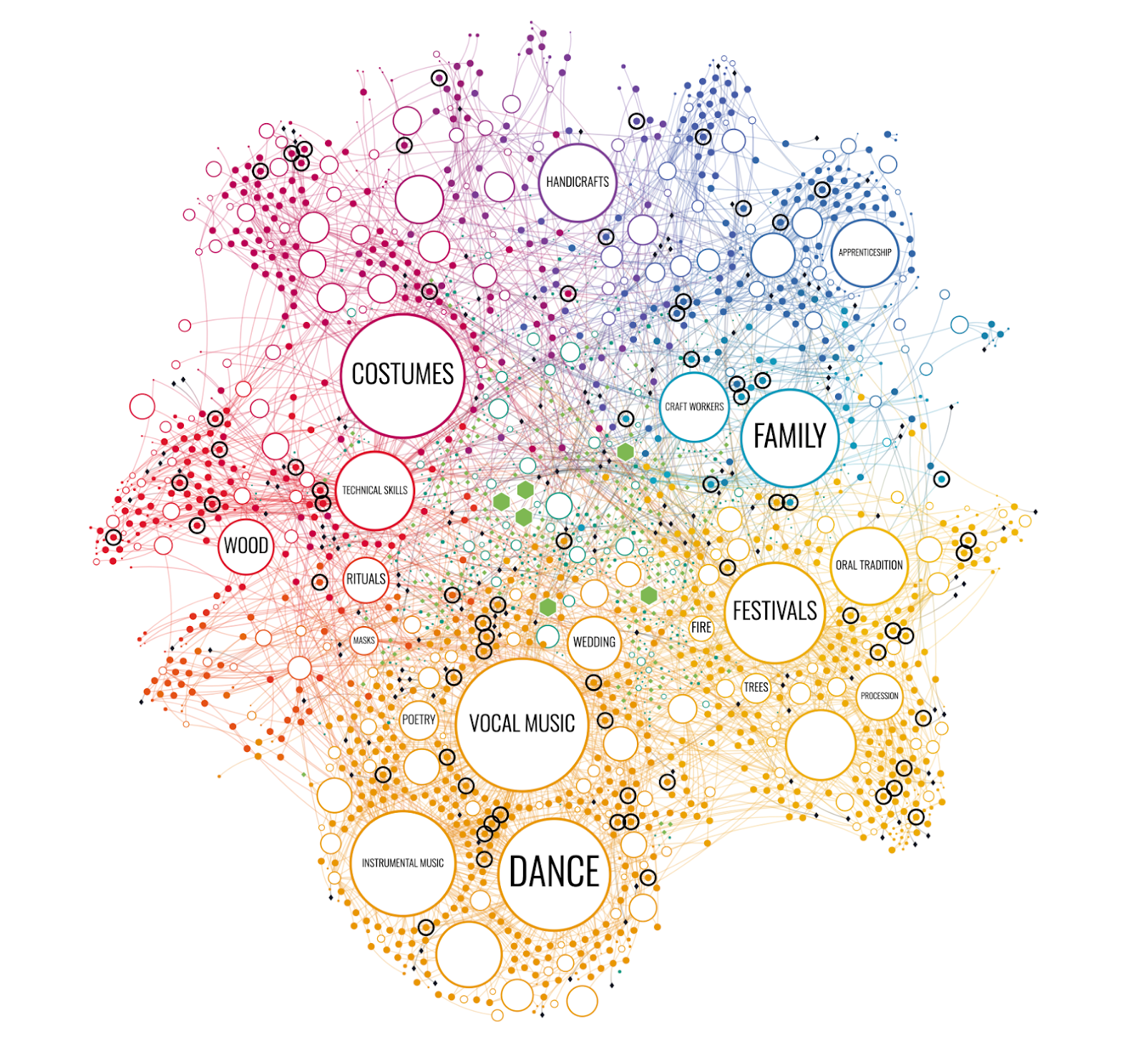
The Convention identifies, among others, the following domains of ICH (Article 2.2):
- oral traditions and expressions, including language as a vehicle of ICH
- performing arts
- social practices, rituals, and festive events
- knowledge and practices concerning nature and the universe
- traditional craftsmanship
Under the Convention, only ICH that is compatible with existing international human rights instruments, respects communities and individuals, and meets the requirements of sustainable development is considered for safeguarding (Article 2.1).

Safeguarding without freezing
Safeguarding means the measures aimed at ensuring the viability of ICH, including identification, documentation, research, preservation, protection, promotion, enhancement, transmission through formal and non formal education, and revitalization (Article 2.3). The purpose is not to “freeze” heritage, but to support its continued practice and transmission as living heritage (Articles 2.1 and 2.3).
The Convention sets out key objectives: to safeguard ICH, ensure respect for the ICH of communities and individuals, raise awareness of its importance, and strengthen international cooperation and assistance (Article 1).
Safeguarding is most effective when communities are at the centre. States Parties are called to take necessary measures to ensure safeguarding, while identifying and defining ICH in their territories with the participation of communities, groups, and relevant non governmental organizations (Article 11). Inventories are a practical tool to support safeguarding actions (Article 12). Measures also include adopting appropriate policies and supporting studies, education, and capacity building (Articles 13 and 14). The Convention explicitly emphasizes the widest possible participation of communities, groups, and individuals in managing ICH and involving them actively in safeguarding (Article 15).
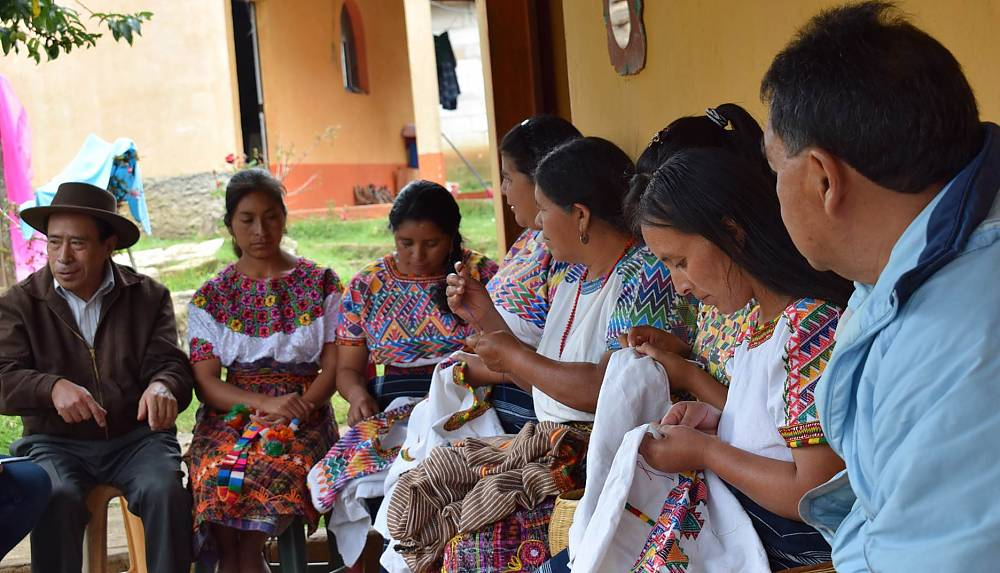
Community-based inventorying to safeguard intangible cultural heritage in western Guatemala
Image source: © UNESCO Office Guatemala / all rights reserved by respective authors
ICH and sustainable development
The Convention frames ICH in relation to sustainable development by requiring that safeguarded heritage be compatible with the requirements of sustainable development (Article 2.1). In practice, ICH contributes to sustainable development by sustaining knowledge systems, strengthening social cohesion, and supporting culturally grounded ways of adapting to change, while respecting human rights and mutual respect among communities (Article 2.1).
The Operational Directives for the implementation of the 2003 Convention further articulate this link, encouraging safeguarding approaches that support inclusive social development, environmentally responsible practices, and sustainable livelihoods, while fostering peaceful and cohesive communities, in line with the Convention’s objectives and principles (Articles 1 and 2.1).
Safeguarding ICH can therefore be understood as both a cultural commitment and a practical contribution to resilient societies, because it supports intergenerational transmission, community participation, and culturally appropriate knowledge and skills that remain relevant in contemporary life (Articles 2.1, 2.3, 14, and 15).
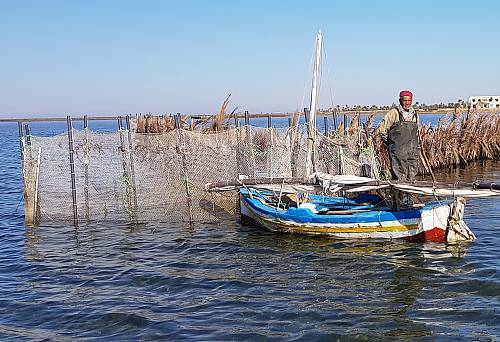
Charfia fishing in the Kerkennah Islands, UNESCO recognised Intangible Heritage of Tunisia (2020)
Image source: © Institut National du Patrimoine, Tunisie, 2019 / all rights reserved by respective authors
UnitelmaSapienza. A centenary history at the service of your future.


